Clean Air Fund Visit to Tower Hamlets
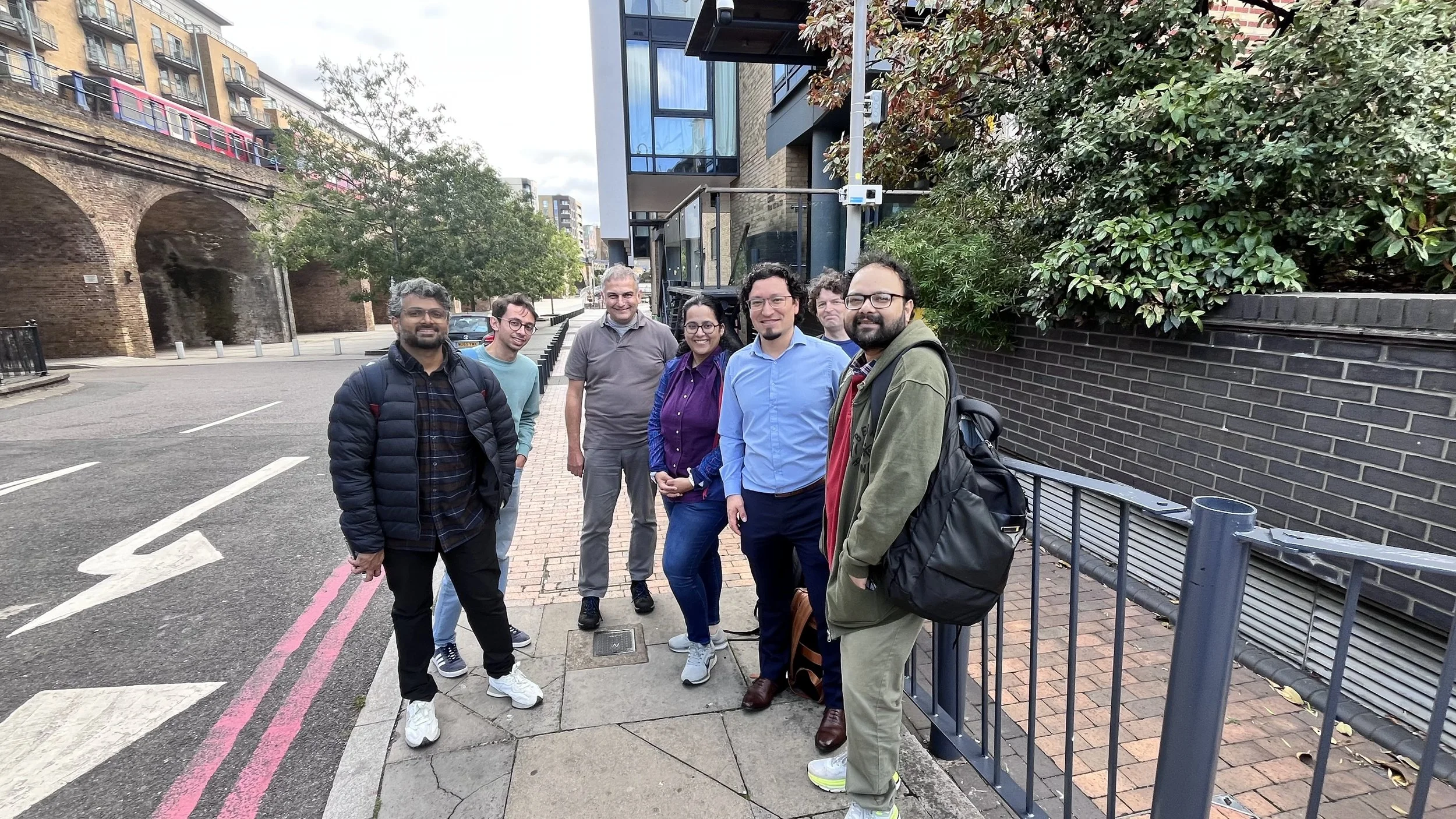
Imperial recently welcomed a delegation of senior specialists from the Clean Air Fund (CAF), a philanthropic organisation working to tackle air pollution worldwide.
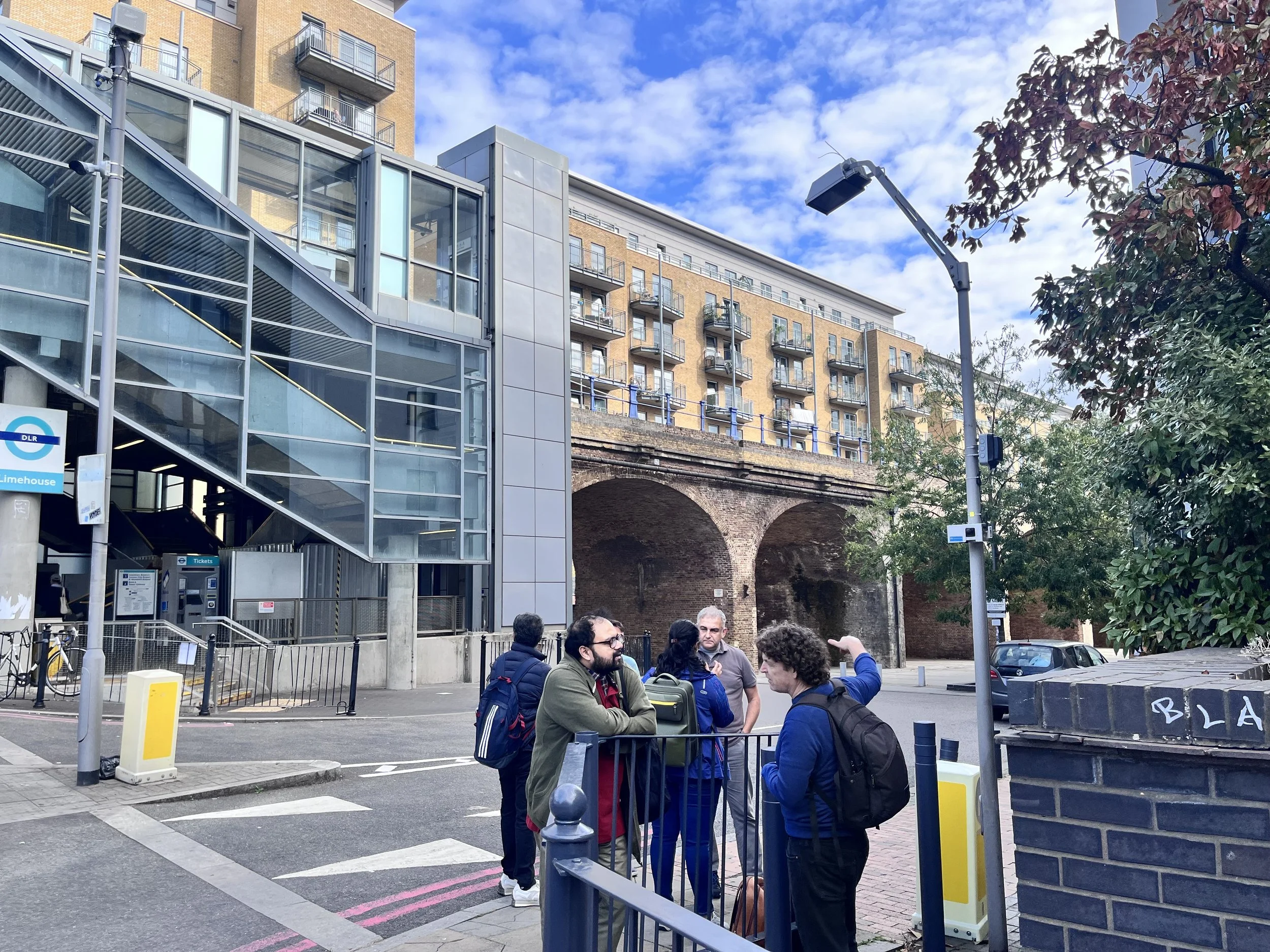
The CAF team wanted to see air-quality monitoring in action in London, so we visited the Breathe London Communities (BLC) network node on Branch Road. The site is close to both the Limehouse Link and Rotherhithe tunnels and is often congested with traffic.
The node was installed by the Friends of Limehouse community group, which successfully applied for local air-quality monitoring through the Breathe London Community Programme (BLCP), funded by Bloomberg Philanthropies.
Friends of Limehouse are focused on improving their local environment, and data from the Branch Road node has helped the group strengthen its evidence-based case for action to improve air quality. Across London, the BLCP has funded nodes for 60 community-based groups, enabling them to measure air quality in locations that matter most to them. The programme also represents an important step towards democratising air-quality monitoring.
The visit to Branch Road prompted lively discussion, particularly around community engagement and how Friends of Limehouse are using the data. We also highlighted other BLC monitoring sites in Tower Hamlets, including six nodes funded by the local authority through its School Super Zones project, which aims to improve children’s health and wellbeing on their journeys to and from school.
A key strength of the BLC network is that it’s underpinned by measurements from the London Air Quality Network (LAQN), which is also managed by Imperial. This enabled us to develop a dynamic daily calibration algorithm that innovatively accounts for changing weather conditions and the wider pollution makeup of the atmosphere. This is facilitated by a group of BLC nodes permanently co-located at LAQN sites across London.
It was therefore fitting that we also visited the nearby Tower Hamlets LAQN monitoring site in King Edward Memorial Park that serves communities from Limehouse. This led to further discussion about Imperial’s integrated approach and the essential role of LAQN measurements in underpinning the BLC network.
The visit highlighted the value of bringing together communities, scientists and policymakers to better understand air pollution and identify solutions. As the BLC network continues to grow, it will provide an increasingly important resource for supporting local action and improving air quality across London